Custom Software vs Off-the-Shelf Software for Businesses in Kenya
E
Emanuel
· 11 min read
Compare custom vs off-the-shelf software in Kenya. Learn the differences in cost, flexibility, integrations and how to choose the right solution.
Choosing the right software can determine how efficiently your business operates, how well your team serves customers and how easily you can grow. For many businesses in Kenya, the decision eventually comes down to two options: purchasing an existing software solution or investing in software developed specifically for their operations.
Neither option is automatically better. Off-the-shelf software is often more practical when your requirements are standard and an existing product already handles them well. Custom software becomes worth considering when your workflows, integrations, reporting requirements or business processes need capabilities that available products cannot provide.
The important thing is to understand what your business actually needs before committing money to either approach.
What Is Off-the-Shelf Software?
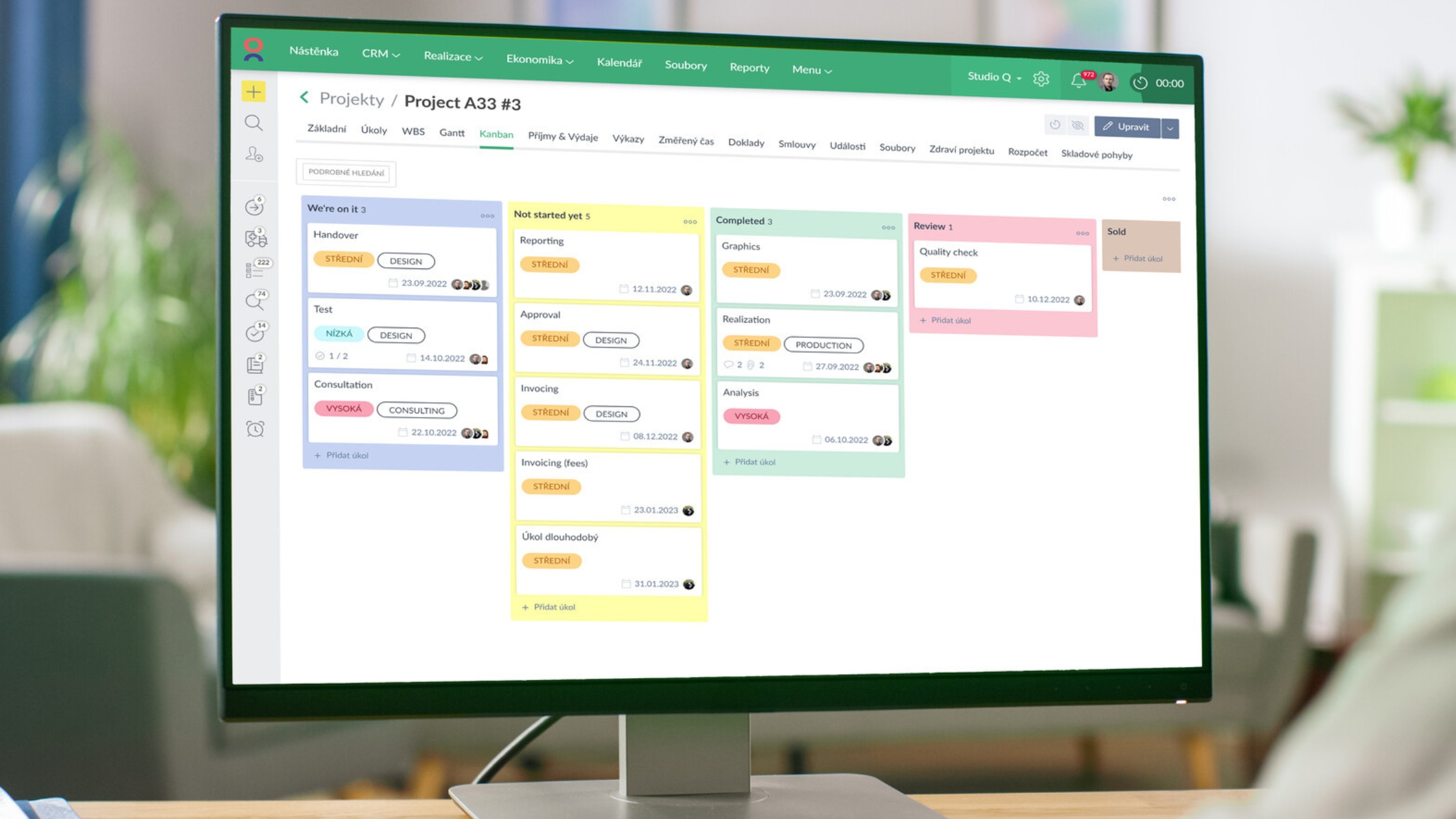
Off the Shelf Software
Off-the-shelf software is a ready-made application developed for a broad market of users. It is designed to address common business requirements rather than the specific operations of one organisation.
Examples include accounting applications, customer relationship management (CRM) platforms, payroll systems, inventory management tools and project management software.
Businesses can typically subscribe to or purchase these products, configure available settings and start using them without commissioning a development team.
For a small business that needs basic accounting, invoicing or employee management, this can be an excellent starting point.
Advantages of off-the-shelf software
Faster implementation: Most products are already developed and can be deployed relatively quickly.
Lower initial investment: Subscription-based products generally avoid the upfront development costs associated with building an application.
Established functionality: Mature products may already have documentation, support teams and tested features.
Regular updates: Software providers generally handle maintenance, security patches and feature improvements.
Predictable entry costs: Subscription pricing can make initial budgeting easier.
However, these advantages depend on the product, its pricing model and the quality of its support.
The limitations become more noticeable when a business has processes that do not fit the software's existing functionality.
What Is Custom Software Development?
Custom software development involves designing and building an application around the specific requirements of a business or organisation.
Rather than adapting business operations to fit an existing product, the software is designed around the processes, users, permissions and workflows that the organisation actually needs.
Custom Software Development
For example, a distribution company operating across several counties might require a platform that connects inventory, warehouse operations, delivery tracking, customer accounts and management reporting.
An existing product might handle some of these functions, but connecting everything into one reliable operating system may require custom development.
Custom software can take several forms:
Business management systems.
Enterprise dashboards.
Customer and supplier portals.
Inventory and stock management applications.
Workflow automation platforms.
Mobile applications.
Industry-specific SaaS products.
Custom reporting and analytics systems.
At Upeo Africa Technologies, our custom web application development work focuses on understanding how a business operates before designing a system around its requirements. This includes workflow discovery, system design, development, integrations and ongoing support.
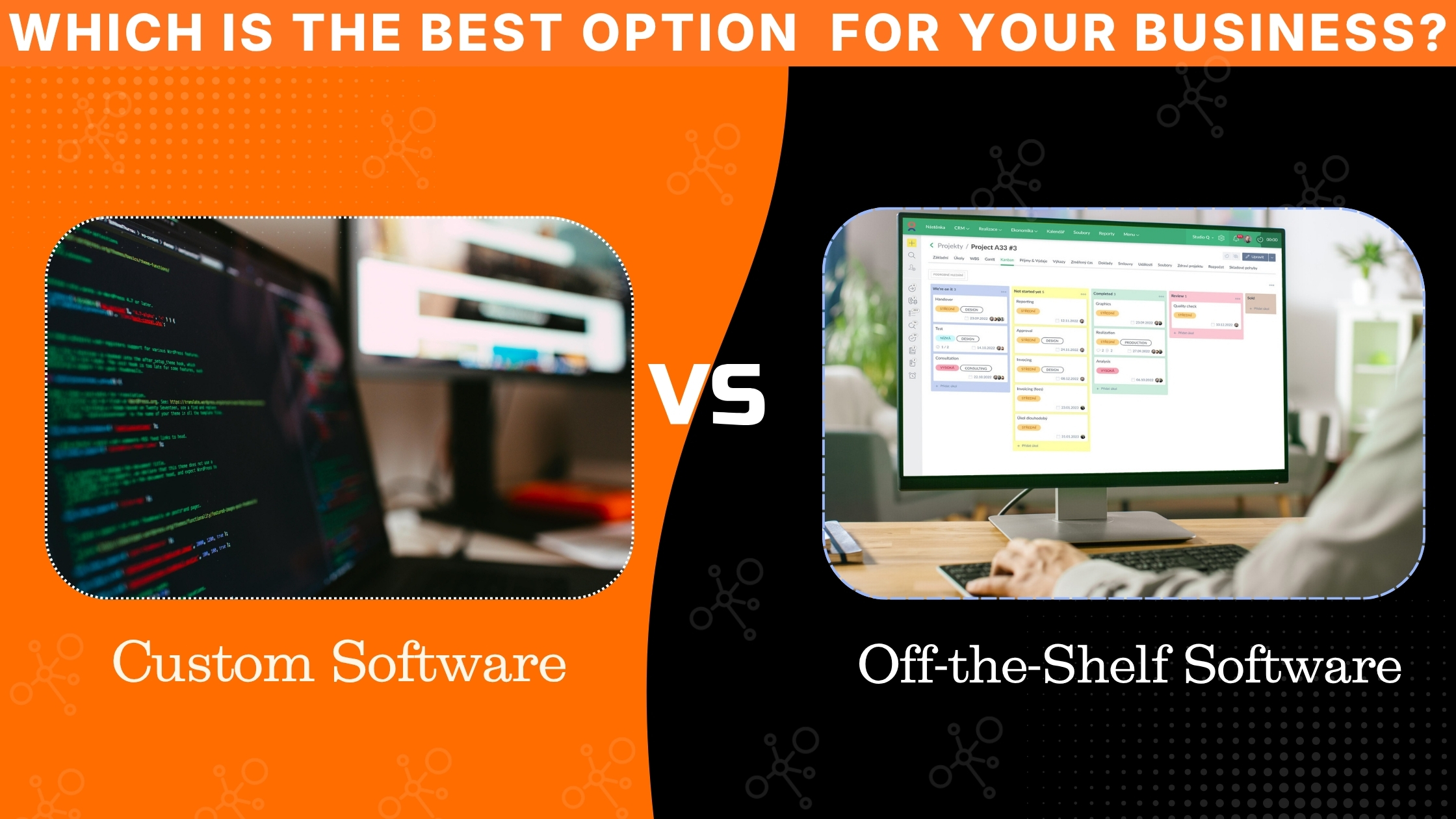
Custom Software vs Off-the-Shelf Software: What Is the Difference?
The main difference is how each solution accommodates your business.
Off-the-shelf software provides functionality that has already been developed for a wider audience. Custom software is developed around a defined set of business requirements.
Comparison
Off-the-shelf software
Custom software
Development
Already developed
Built to agreed requirements
Initial cost
Usually lower
Usually higher
Deployment
Generally faster
Requires discovery and development
Flexibility
Limited to available features and configuration
Can accommodate specific workflows
Integrations
Depends on available APIs and connectors
Can be scoped around required integrations
Maintenance
Usually handled by the provider
Requires an agreed maintenance arrangement
Ownership
Subject to vendor licensing terms
Depends on the development contract and IP agreement
Scalability
Depends on product plans and architecture
Can be designed around anticipated growth
Business processes
May require operational adjustments
Designed around agreed business processes
There is no universal winner. The right choice depends on the complexity of your operations, the available products and the value of having software that fits your business.
When Should a Business Choose Off-the-Shelf Software?
Buying existing software is often the sensible decision when your business has straightforward requirements.
Consider a small retail business that needs to record sales, monitor stock and generate basic reports. If an established point-of-sale application already provides these functions, commissioning an entirely new system may not be financially justified.
Off-the-shelf software is particularly suitable when:
1. Your business requirements are standard
If your requirements are common across many businesses, an established application may already provide everything you need.
2. You need to get started quickly
Businesses working with tight timelines may benefit from software that is already developed and ready for configuration.
3. Your budget is limited
Subscription software can provide access to useful functionality without requiring a substantial initial development investment.
4. You do not need extensive integrations
If the application works independently and does not need to communicate with several other business systems, an existing solution may be sufficient.
5. You have found a reliable provider
A mature product with appropriate support, security practices, documentation and acceptable data export options can be a better investment than building a replacement.
One important consideration is to understand what happens when you want to leave the provider. Check data export options, contract terms, renewal costs and whether your information can be migrated to another platform.
When Does Custom Software Make More Sense?
Custom development becomes worth considering when existing software creates more operational challenges than it solves.
Here are some situations where it may be the better investment.
1. Your business has unique operational workflows
Some businesses operate through processes that cannot easily be accommodated by generic applications.
For example, a field operations organisation may need to assign field officers, capture geographical coordinates, upload photographs, verify visits and generate reports based on field activities.
A generic project management tool might handle task assignments but fail to address the complete verification process.
A custom application can bring these activities together.
2. Your existing systems do not communicate
Many businesses use separate applications for accounting, inventory, customer management, sales and payments.
When these applications do not communicate properly, employees end up transferring information manually.
Custom integrations or a purpose-built application can reduce duplicate data entry and improve visibility across departments.
3. You need more control over permissions and reporting
A business operating across several branches may require different access levels for administrators, managers, supervisors and employees.
A custom system can define what each user can access, which actions they can perform and what information appears in their dashboards.
4. You are developing a product for customers
If you are building a SaaS platform, marketplace, booking application or customer-facing portal, the software itself may be part of your business offering.
In such cases, custom development allows you to define the product experience, functionality and commercial model.
5. Your existing software has become restrictive
You may already be paying for several applications but still depend on spreadsheets and manual processes to complete important tasks.
Before replacing everything, investigate whether the existing software can be configured or integrated with another solution.
If the limitations are fundamental, custom development may offer a better long-term approach.
How Much Does Custom Software Cost in Kenya?
The cost of custom software development in Kenya depends on what the application needs to do, how many people will use it and the technical requirements involved.
A basic internal application with a few user roles is very different from a multi-branch business management platform with payment processing, customer portals, reporting and third-party integrations.
Some of the main factors affecting development costs include:
Project complexity: The number of features, workflows and business rules influences the amount of development work required.
User roles and permissions: Applications with different access levels and approval processes require additional planning and implementation.
Integrations: Connecting payment providers, accounting systems, messaging services and external APIs adds engineering and testing requirements.
User experience and design: Applications requiring detailed interface design, prototyping and usability testing need additional design work.
Maintenance: Software requires updates, security patches, monitoring and improvements after launch.
There is no responsible way to give every business the same development price without first understanding the project.
At Upeo Africa Technologies, we begin with a discovery conversation to understand the problem, establish the scope and recommend an appropriate approach before providing a project quotation.
Should You Build Everything From Scratch?
Not necessarily.
One of the biggest misconceptions about custom software is that choosing custom development means replacing every application your business already uses.
In practice, a hybrid approach can be more effective.
Imagine a business that already uses a reliable accounting application but struggles with inventory management and customer order processing.
Instead of rebuilding the accounting functionality, a developer could create a custom operational platform that integrates with the existing accounting system.
The business retains what works while addressing the gaps that affect its operations.
This approach can reduce unnecessary development, simplify implementation and make better use of existing technology investments.
Before commissioning a new system, consider three options:
Buy: Use an existing product when it meets your requirements.
Integrate: Connect existing applications when the main problem is disconnected information.
Build: Develop custom functionality when available products cannot adequately support your business requirements.
The right solution may involve all three.
What Should You Consider Before Hiring a Software Development Company in Kenya?
Choosing a development partner is just as important as choosing the type of software.
A technically impressive application is not necessarily a successful business solution. It must solve the right problem, be usable by its intended audience and remain maintainable after launch.
Before committing to a development project, consider the following.
Understand the development process
Ask how the company approaches requirements gathering, design, development, testing and deployment.
A reliable development partner should be able to explain how the project will progress and how you will participate in important decisions.
Ask about integrations
If your business already uses accounting applications, payment providers, communication tools or other platforms, establish how the new system will work alongside them.
Clarify ownership
Understand who owns the source code, intellectual property, documentation, repositories and deployment environments.
These arrangements should be documented in your agreement.
Discuss security and data protection
Ask how user permissions, authentication, backups, data access and application security will be handled.
Businesses processing personal information should also consider their obligations under Kenya's Data Protection Act, 2019.
Understand post-launch support
Software development does not end when an application goes live.
Establish who will handle maintenance, updates, monitoring, troubleshooting and future improvements.
Look for relevant experience
Ask whether the development company understands the type of system you intend to build.
Relevant experience can help the team identify technical challenges and make better architectural decisions early in the project.
Why Work With Upeo Africa Technologies?
Upeo Africa Technologies is a software, design and digital marketing company based in Mombasa, Kenya, working with businesses across Kenya and the wider African market.
We work with organisations that need more than a website or an off-the-shelf application. Our focus is on understanding business requirements and delivering practical digital solutions that support how organisations operate and grow.
Our services include:
Custom web application development.
Android and iOS mobile application development.
Business websites, e-commerce platforms and portals.
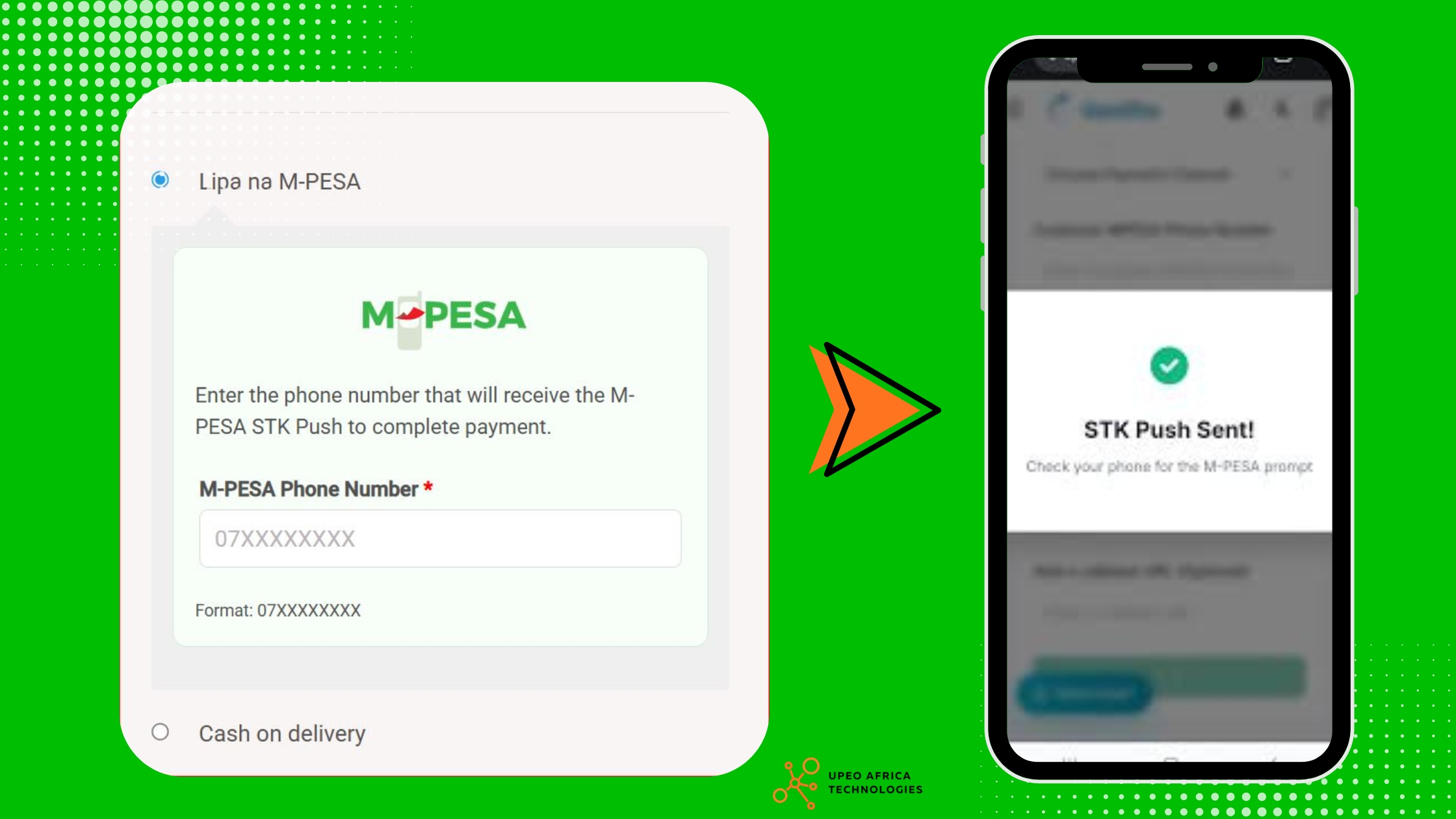
API and payment integrations, including M-Pesa and Airtel Money.
UI/UX and product design.
Branding and creative services.
SEO and digital marketing.
Cloud hosting and server management.
Our project process follows five stages: discovery, design, build, launch and growth.
This gives clients a clear understanding of what is being developed, why particular decisions are being made and what happens after deployment.
We are based at Yunis Building, Moi Avenue, Mombasa, and work with businesses across Africa.
If you are considering a custom application, replacing an existing system or connecting several business processes, we can help you evaluate the available options before committing to development.
1. Is custom software better than off-the-shelf software?
Not always. Custom software is better suited to businesses with specific workflows, integration requirements or functionality that existing applications cannot adequately provide. Off-the-shelf software is often more practical for standard business requirements.
2. How much does custom software development cost in Kenya?
The cost depends on project scope, functionality, integrations, user roles, security requirements and ongoing support. A developer should assess your requirements before providing a reliable quotation.
3. How long does it take to develop custom software?
Development timelines vary according to the complexity of the project. A focused application may take considerably less time than a multi-module enterprise platform. Discovery, design, testing and deployment should all be included in the project timeline.
4. Can custom software integrate with existing business applications?
Yes. Custom applications can integrate with compatible accounting platforms, payment providers, CRM systems and other services through APIs and other supported integration methods.
5. Who owns custom-developed software?
Ownership depends on the contractual agreement between the client and development company. Businesses should clarify intellectual property rights, source code ownership, access to repositories and handover requirements before development begins.
6. Can a small business afford custom software?
Yes, depending on its requirements and budget. A small business does not necessarily need a large enterprise platform. It can start with a focused application that addresses its most important operational challenge and expand as its needs grow.
Final Thoughts
Choosing between custom software and off-the-shelf software should start with your business requirements, not the technology itself.
If an existing application handles your operations effectively, there may be little reason to build a replacement. However, when your business depends on processes that generic applications cannot accommodate, custom software can provide the flexibility and control needed to move forward.
The objective is not to own more software. It is to have the right systems supporting the way your business works.
Planning a new business application or considering replacing an existing system? Talk to us about the right approach for your business.